, 5 min read, by Virginia SEO Co. editorial team
Is SEO Dead Now With AI? What Changed for Virginia Businesses in 2026
AI answers cut clicks on simple questions, but local searches still end at a profile, a call or a site. What changed, what didn't, and what to fix.
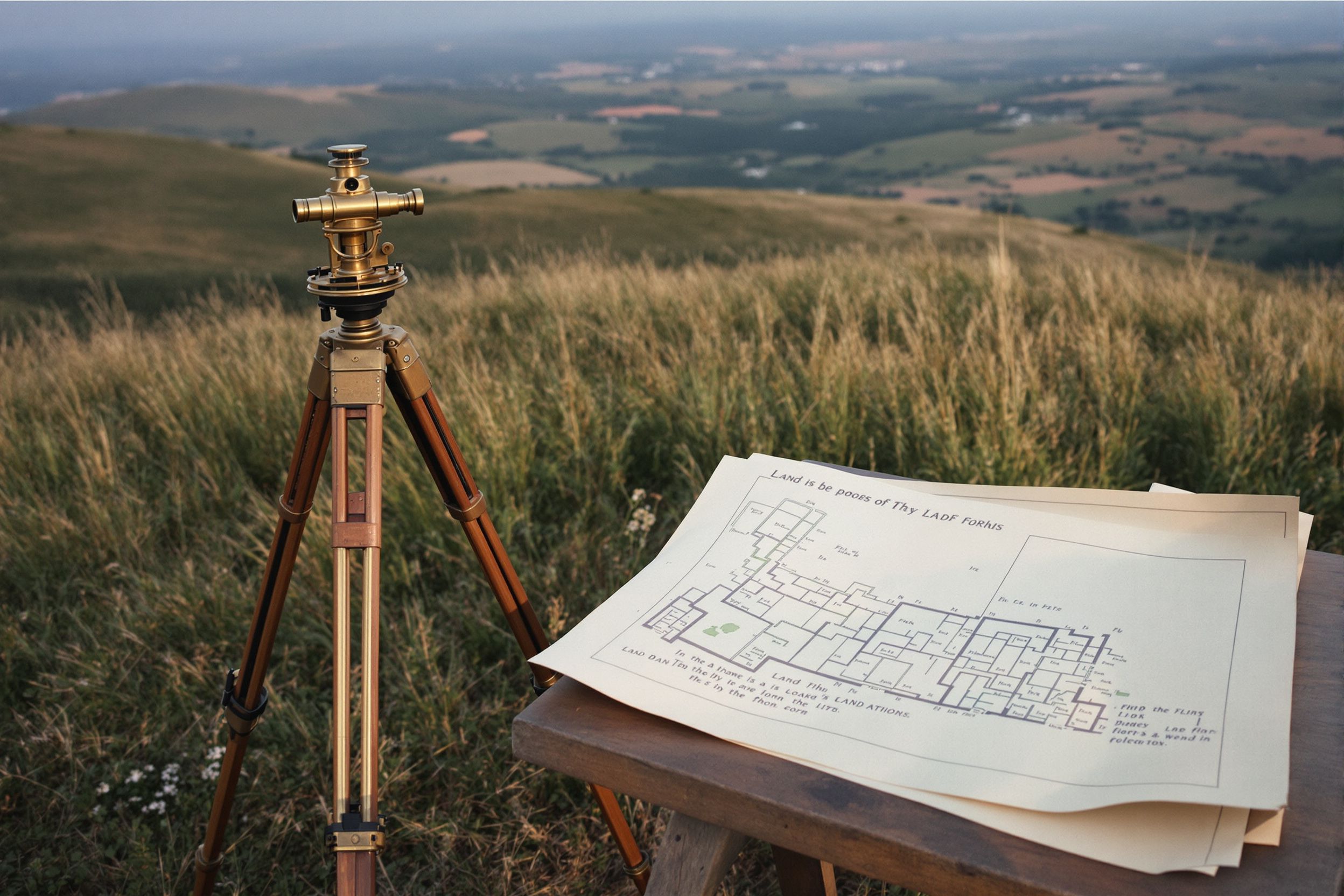
No. What changed is that simple questions now often get answered on the results page or inside a chat assistant, so fewer people click through to a website for them. What didn't change is that someone who needs a plumber in Chesapeake, a caterer in Richmond or an accountant in Fairfax still ends up choosing a business, and they do it by tapping a Business Profile, calling a number or opening a website. The AI answers they read along the way are assembled from pages, listings and reviews that already exist, which is why the old work of keeping them clear and accurate still pays.
What actually changed
Two things changed how people search, and both are now ordinary rather than new.
Google shows AI Overviews above the regular results for many searches: a written summary with links to the pages it drew from. Ask "how often should a heat pump be serviced" and you may get a short paragraph that answers it. Plenty of people read that and never scroll.
People also ask chat assistants the questions they used to type into Google, including questions like "who repairs boat engines on the Northern Neck" or "a good HVAC company in Midlothian". Some assistants search the web and cite what they found; others answer from what they learned in training, which can be out of date.
The practical result for a Virginia small business: content that answers a one-line question (what a term means, a quick how-to, a basic cost range) brings fewer visits than it used to, because the answer is shown before anyone needs your page. If your plan was forty short posts defining terms, those posts now work harder for less.
What didn't change
A local search still ends with a decision about a specific business. An AI summary can explain what a sump pump does. It can't come to a house in Mechanicsville and replace one. When the need is local and real, people still want a name, reviews from neighbors, hours, a service area and a way to get in touch, and Google still shows a map with Business Profiles for many of those searches.
The AI answers themselves are built from material you can influence:
- Your website, especially service pages that state what you do and where
- Your Google Business Profile: categories, services, hours, photos
- Your reviews, and the specifics customers mention in them
- Listings on other platforms, directories and local sites that name your business
If those sources are thin or contradict each other, an assistant has little to say about you, or says something wrong. If they're clear and consistent, you give both the AI and the person reading it the facts they need.
And a page still has to be crawlable and indexable to be cited anywhere. A site that blocks crawlers, hides its services in images or takes ten seconds to load on a phone has the same problems it had before.
What to work on now
The work that holds up is the same work that made sense before AI answers, with more weight on being specific.
Clear service pages
One page for each service you want to be found for, each answering the questions a buyer asks before calling: what's included, who it's for, where you work, how long it usually takes, what affects the price, and how to book. Put the direct answer in the first paragraph, then the detail.
Say you run a hypothetical two-truck HVAC company in Chesapeake. Instead of one "Services" page, you'd have a page for heat pump replacement, one for AC repair and one for maintenance plans, each saying which of the Seven Cities you cover and what a visit looks like. An assistant asked about heat pump replacement in Chesapeake has something concrete to pull from, and so does the homeowner who clicks.
Be exact about place. Virginia's independent cities make this matter: the City of Fairfax isn't part of Fairfax County, and Richmond isn't part of Henrico or Chesterfield. Write "We serve Fairfax County and the City of Fairfax" rather than "Fairfax area", and a reader or a machine can't get it wrong.
Real reviews
Ask every customer for a review, not only the ones you expect to be happy. Asking only happy customers (review gating) and offering anything in return for a review both break Google's review policies, and fake reviews are prohibited. Don't hand customers a script either. What helps is volume over time and natural detail: a customer who writes that you fixed a leaking skylight in Church Hill the same afternoon gives readers, and the summaries built on reviews, something specific to repeat.
Reply to reviews, good and bad, in a plain and courteous voice; replies are public and sit under your business name for anyone comparing you.
Consistent listings
Your business name, address (or hidden address, if you're a service-area business), hours, phone or contact method and website should match everywhere: your Google Business Profile, Apple Business Connect, Bing Places, Yelp and the directories for your trade. Assistants draw on more than Google, and two different sets of hours across two platforms gives them two answers to choose from.
Fix the old listings too. A former address from before a move, still live on a directory, is exactly the kind of stray fact that turns up in an AI summary.
What to stop doing
Stop publishing generic posts that any assistant can already answer in a paragraph. If you write, write what only you know: the questions customers in your area actually ask, the jobs you've done (with permission), what a typical project involves from start to finish in your own business, the local conditions that change the work.
Stop measuring SEO by visits alone. Fewer visits from definition-style posts can sit right next to more calls from service pages and the map. Track calls, form submissions, booked appointments and direction requests from your Business Profile, and ask new customers how they found you.
Stop treating your Business Profile as a one-time setup. Hours, services, photos and holiday closures all feed the answers people see before they ever reach your site.
Where we fit
We build service pages, clean up profiles and listings, run review-request work within Google's rules and place guest posts and other links, and we report every link with its live URL, target page and anchor text. You can read how that works on our overview of Virginia SEO Co.'s services. None of it promises a ranking or a place in an AI answer; it gives search engines and assistants accurate material about your business to work from.
If you'd like to know how your business looks to those systems right now, send us your site through the free site survey. We'll look at your service pages, profile and listings and tell you what we'd fix first.
Clear location language and maintained business information remain useful starting points: City, County or Region? Choosing Virginia Location Words; Can I Do SEO Myself? A Weekend Checklist for Virginia Business Owners.