, 6 min read, by Virginia SEO Co. editorial team
SEO for Virginia Wineries and Breweries: Tasting Rooms, Events and Trail Searches
How Virginia wineries and breweries get found: region and trail searches, event pages, hours, wedding pages, the tasting room profile and ABC caution.
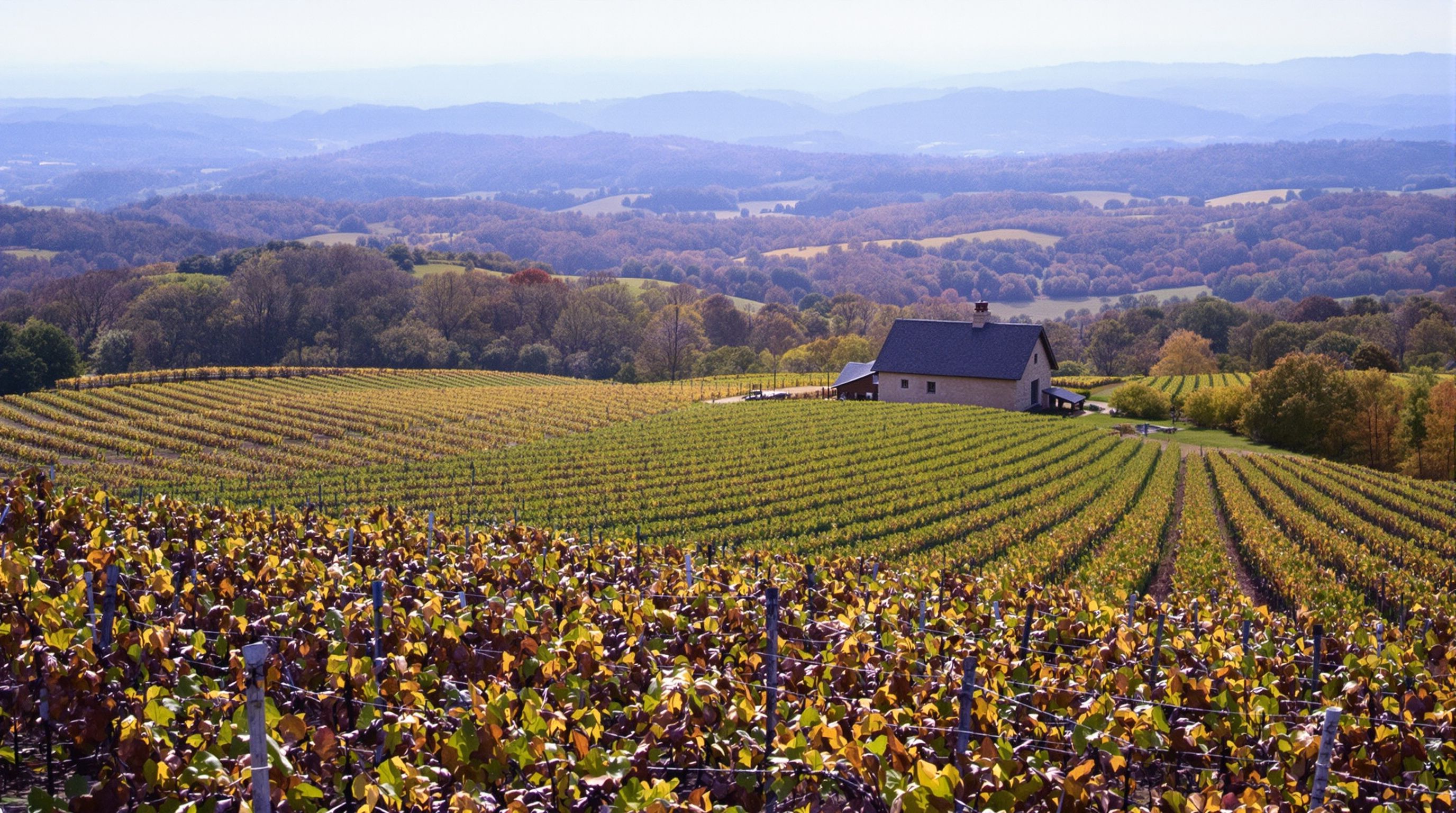
Winery and brewery SEO in Virginia comes down to matching how visitors plan a day out. They pick a region or a trail first, then look at what's on (a release, live music, a food truck), then check the practical details: hours, reservations, dogs, parking. Put those three layers on your website and your Google Business Profile, keep them current, and you're in the running for the searches that turn into a car pulling into your lot.
Visitors plan by place before they pick a producer
Few people search for a winery by name until they've heard of it. They search for an area: wineries near Charlottesville, Loudoun wineries, breweries in the Shenandoah Valley, a cidery near Roanoke. Then they compare a handful of places that turn up.
So your site has to say where you are in the words visitors use, and say it in text, not only in an embedded map. That means your county, the nearest town people would recognize, and the region. If you're a winery inside the Monticello AVA, the wine region around Charlottesville, name it; enthusiasts use the term and it tells them what to expect in the glass. Add plain drive times from the towns your visitors come from, and make sure they're honest.
Say you run a family winery in Albemarle County with a tasting room about twenty minutes from Charlottesville. Your homepage and your Visit page should both say so, in a sentence: the county, the distance from Charlottesville, the AVA, and the road you're on. A visitor reading on a phone in a hotel lobby should be able to tell in five seconds whether you fit into their afternoon.
If your county or region promotes a wine, beer or cider trail and you're on it, name the trail on your Visit page and check that the trail's own listing has your current hours and a working link to your site. Visitors who plan a day around a trail read those listings, and a stale entry sends them to you at the wrong hours.
Event pages that outlive the event
Many tasting rooms announce events only on social media. That works for followers. It does little for someone searching "live music winery this weekend" or "brewery trivia night richmond", because a social post is hard to find through a search engine and slides down the feed within days.
Give each recurring event its own page on your site with a stable address, and update the dates instead of making a new page every week. A page for live music on Saturdays, one for release weekends, one for your seasonal festival. Each page should answer the questions a visitor actually has:
- Date and time, including when the music or the event ends.
- Whether it costs anything, and whether you need a ticket or a reservation.
- Whether kids and dogs are welcome.
- What food is available, and whether outside food is allowed.
- Where to park and what happens if it rains.
For one-off events, a dated page is fine. When the event is over, keep the page with a few photos and a line pointing to the next one, rather than deleting it and leaving a dead link behind. Google's developer documentation describes structured data for events, which can help event details show up in search; if your website builder supports it, it's worth turning on, and the current documentation explains what's required.
Hours and reservations are the most-read text on your site
The questions people ask before they drive out are simple. Are you open today? Do we need a reservation? Can we bring a group of eight? Is there food? Can the dog come? Put every answer on one Visit page, in plain text near the top, and match it exactly in your Business Profile.
Mismatched hours cost visits. The classic case is a Saturday closure for a wedding or private event. The website mentions it, the profile still shows regular hours, and a car full of visitors finds a closed gate. Your Business Profile has a place for special hours: use it for every holiday, private event, weather closure and seasonal change, and set them as soon as the date is booked.
If you take reservations for tastings or groups, say exactly when they're required (for example, "groups of six or more, Friday to Sunday") and put the booking link on the Visit page and in your profile where your category allows it.
A tasting room Business Profile checklist
Run through this list once a season:
- Primary category matches what you are, such as Winery or Brewery, with secondary categories only for things you really offer.
- The address and map pin point to the tasting room, not a farm office or a mailing address. On a large rural property, check that the pin and the driving directions lead to the public entrance.
- Regular hours are right, and special hours are set for every closure you already know about.
- The website link goes to your Visit page or homepage, and the booking link (if you have one) works.
- Photos show the tasting room, the patio or view, the food, the entrance sign and the parking area, so first-time visitors recognize the turn.
- You ask every visitor for a review, with a card or a sign at checkout. Offering a free tasting or a discount in exchange for a review breaks Google's review policies, and so does asking only the visitors who look happy.
If you have a second tasting room in another town, it's a separate location with its own profile. A production building that isn't open to the public doesn't need one.
Weddings and private events need their own pages
Couples and event planners search differently from weekend visitors. They type things like "vineyard wedding venue virginia" or "brewery private event space richmond", and they read every word before they send an inquiry. A single line on your Events page won't hold them.
Build a weddings page and a private events page, each with the facts they need to shortlist you: how many guests you can seat, indoor and outdoor spaces, the rain plan, whether catering is in-house or from an approved list, what's included, which dates you book, and a starting price if you're willing to publish one. Use photos from real events (with the couples' permission) and an inquiry form that asks for the date and guest count up front. Don't bury all of this in a PDF; the text belongs on the page where search engines and readers can see it.
Check alcohol advertising rules with Virginia ABC
Virginia ABC regulates alcohol in the Commonwealth, and its rules reach how licensees advertise. Before you publish drink specials, discount wording, giveaways or anything tying events to drinking, read the current rules on the Virginia ABC website or ask the agency directly. Rules change, and what was fine a few years ago may not be now. We're not giving legal advice here, and neither should your web designer: the agency is the place to check.
Claim your listing on virginia.org
The Virginia Tourism Corporation runs virginia.org, the state's "Virginia is for Lovers" travel site. Search for your business there and check the name, hours, photos and website link. If you're missing, look on the site for how tourism businesses submit or update a listing. Do the same with your county or city tourism office, since some visitors start their planning there.
Pulling it together
Most of this work is unglamorous: writing down where you are, keeping hours current, giving events and weddings proper pages, asking for reviews. It's also the kind of work that slips during a busy season. If you'd rather hand it off, our digital marketing services for Virginia businesses cover SEO, content and website work for producers and tasting rooms. We don't run paid ads, so if ads are part of your plan, that piece stays with you or another provider.
If your busy weekends are coming up and your events still live only on social media, set up a call. We'll go through your site and your Business Profile with you and point out what visitors can't find yet.
Seasonal demand and event-page requirements should guide the website budget: Virginia Beach Tourism Businesses: Planning SEO Around the Summer Season; What Drives the Cost of a Small Business Website in Virginia.